
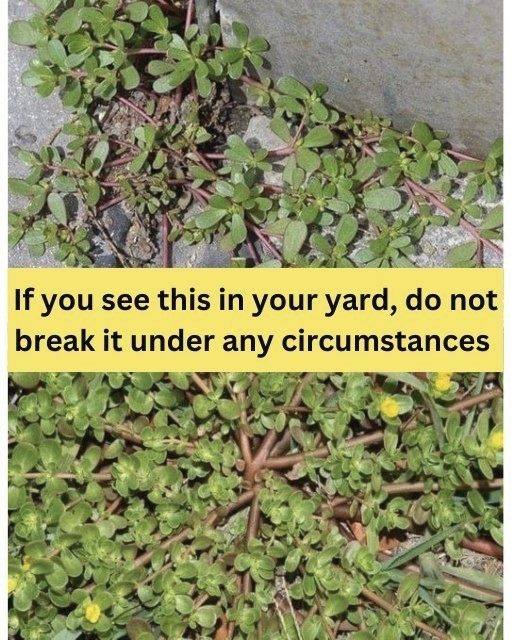
You spot it creeping between your tomatoes: fleshy leaves, reddish stems, tiny yellow flowers. Your instinct says “weed—pull it!” But what if that “pest” is actually one of nature’s most generous gifts?
Purslane (Portulaca oleracea) isn’t just surviving in your garden—it’s thriving to serve you. Here’s why this humble plant deserves a spot in your yard, your kitchen, and your wellness routine.
8 Science-Backed Reasons to Keep Purslane
1. Nutrient Powerhouse (Yes, Really)
Nutrient
Amount per 100g
Benefit
Omega-3s (ALA)
300–400mg
Highest of any leafy green—supports heart/brain health
Vitamin A
1,600 IU
Vision, immunity, skin health
Vitamin C
21mg
Antioxidant protection
Magnesium
68mg
Muscle/nerve function, sleep support
Potassium
494mg
Blood pressure regulation Key insight: Purslane contains more omega-3s than salmon by weight—and it’s free.
2. Drought-Tolerant Survivor
Succulent leaves store water → thrives in heat, poor soil, neglect
Perfect for xeriscaping or low-maintenance gardens
Bonus: Its presence signals soil health (it prefers fertile ground)
3. Delicious & Versatile in the Kitchen
Flavor: Mild, lemony, slightly peppery—like a cross between spinach and watercress
Texture: Crisp when raw; tender when cooked
Try it:
→ Raw in salads (adds crunch)
→ Sautéed with garlic + olive oil
→ Blended into pesto or smoothies
→ Pickled for a tangy condiment
4. Pollinator Magnet
Tiny yellow flowers bloom all summer → attract bees, hoverflies, butterflies
Supports biodiversity without planting extra flowers
Eco-win: Natural pest control (hoverfly larvae eat aphids)
- Living Mulch
Forms dense, low-growing mats → suppresses weeds naturally
Retains soil moisture → reduces watering needs
Prevents erosion on slopes or bare patches - Traditional Medicine, Modern Science
Traditional Use
Research Support
Anti-inflammatory
✅ Contains betalains + flavonoids with proven anti-inflammatory effects
Wound healing
✅ Mucilage soothes skin; studies show accelerated healing in animal models
Blood sugar support
✅ Early research suggests compounds may improve insulin sensitivity
⚠️ Note: Not a substitute for medical treatment—but a valuable dietary addition. - Effortless to Grow (and Share)
Self-seeds readily → one plant becomes many
Propagates from stem cuttings → root in water in days
Gardener tip: Let a few plants flower → collect seeds for next season - Free, Sustainable Nutrition
Zero cost, zero packaging, zero food miles
Reduces reliance on store-bought greens
Avoids herbicides → healthier soil + waterways
🔍 How to Identify Purslane (Avoid Look-Alikes)
Feature
Purslane
Spurge (toxic look-alike)
Stems
Reddish, smooth, fleshy
Green/red, hairy, milky sap when broken
Leaves
Teardrop-shaped, opposite pairs, fleshy
Oval, alternate, thin
Growth
Forms flat mats
Grows upright or sprawling
Scent
Mild, lemony when crushed
Odorless or unpleasant
Flowers
Small, yellow, 5 petals
Tiny, greenish, inconspicuous
🚫 Critical: If stems exude milky sap when broken, it’s spurge—do not eat.
🥗 How to Harvest & Use Purslane Safely
For Complete Cooking STEPS Please Head On Over To Next Page Or Open button (>) and don’t forget to SHARE with your Facebook friends
Harvest young: Snip stems 3–4 inches long for tender texture
Wash well: Rinse under cold water; pat dry
Source wisely: Avoid areas treated with pesticides, road runoff, or pet waste
Store: Refrigerate in damp paper towel up to 1 week; freeze for smoothies
Quick Recipe: Purslane Pesto
Blend: 2 cups purslane + ¼ cup walnuts + 1 garlic clove + ½ cup olive oil + lemon juice + salt
Toss with pasta, spread on toast, or dollop on grilled fish
⚠️ Important Cautions
Oxalates: Like spinach, purslane contains oxalates—moderate intake if prone to kidney stones
Pregnancy: Traditional use suggests avoiding large medicinal doses; culinary amounts are safe
Allergies: Rare, but test a small amount first if you have plant sensitivities
💬 Final Thought: Redefining “Weeds”
Purslane challenges a deep assumption: that plants must be planted to be valuable. But this “weed” offers nutrition, beauty, resilience, and ecological support—without asking for anything in return.
So next time you see it sprouting, pause. Ask: “What if this isn’t a problem to solve—but a gift to receive?”
“The most generous teachers often arrive uninvited.”
Have you tried purslane? Share your favorite way to use it below—we’re all learning to see gardens with new eyes. 🌱
